Cooling in minutes
Our device safely and quickly cools the brain within 5-10 minutes, giving doctors one or more hours to save the patient's brain
Groundbreaking AI-driven Technology
Intra Cranial Exothermia is developing the first medical device capable of selectively cooling the brain to neuroprotective temperatures in minutes, to prevent or reduce brain trauma and avoid death in emergencies, protecting what makes us who we are.
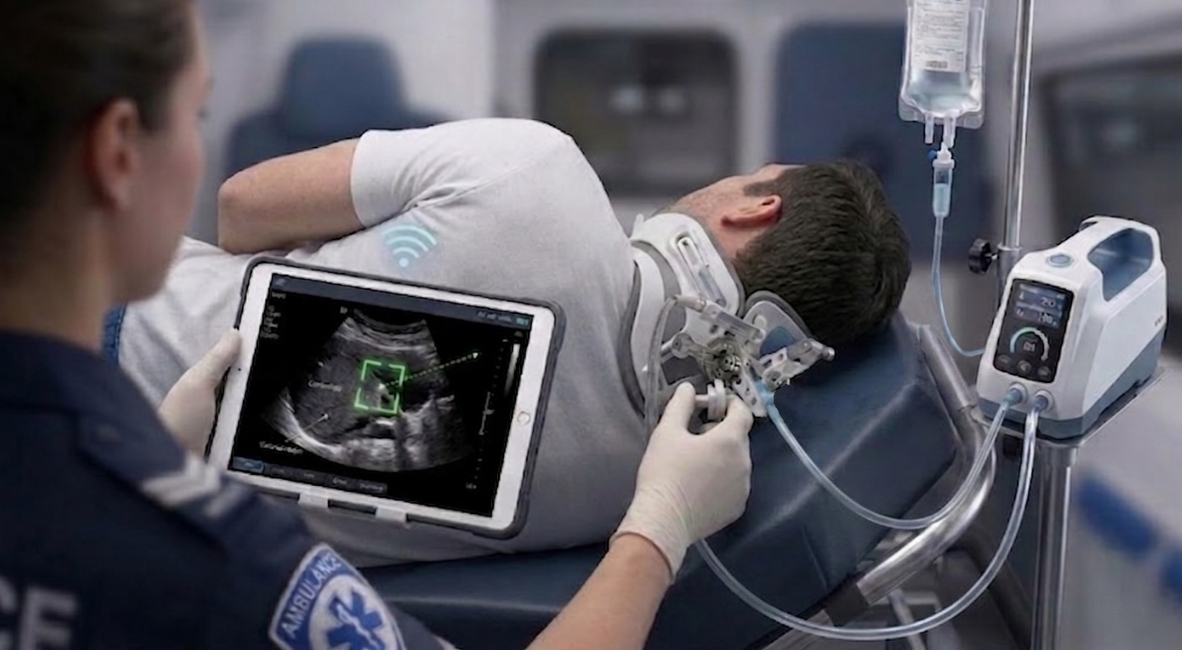
5-10 mins
To target brain temperature, not hours
Selective
Cools the brain, not the body, avoiding systemic hypothermia and other complications
Portable
Small device, operable by a single operator, in hospital and prehospital settings, ambulances, ICUs, ERs, stroke units
Minimally-invasive
No additional surgical access required
Why it matters
Brain injury and brain death are one of the most devastating outcomes in cardiac arrest, stroke, trauma, and other acute events, with irreversible brain damage often occurring within minutes of onset. Up to 70% of patients resuscitated and hospitalized after cardiac arrest die from brain injury.
With heart disease and stroke being the top two causes of death and disability worldwide, the need for early, fast and effective intervention has never been greater, yet is unmet in current commercial markets.
Current methods often arrive too late and are systemic, failing to address the urgency and specificity of brain trauma.

Rapid cooling slows metabolic demand and buys the brain time.
For instance, Deep Hypothermic Circulatory Arrest (DHCA) is a long‑established and well‑validated method of neuroprotection used in complex cardiovascular and neurovascular surgery. By cooling the body, and especially the brain, to very low temperatures (typically 14–20°C), DHCA dramatically slows cerebral metabolism.
This reduction in metabolic demand allows surgeons to safely pause blood circulation for a limited period while protecting the brain from ischemic injury. DHCA has been used safely for decades and remains a cornerstone of neuroprotection.
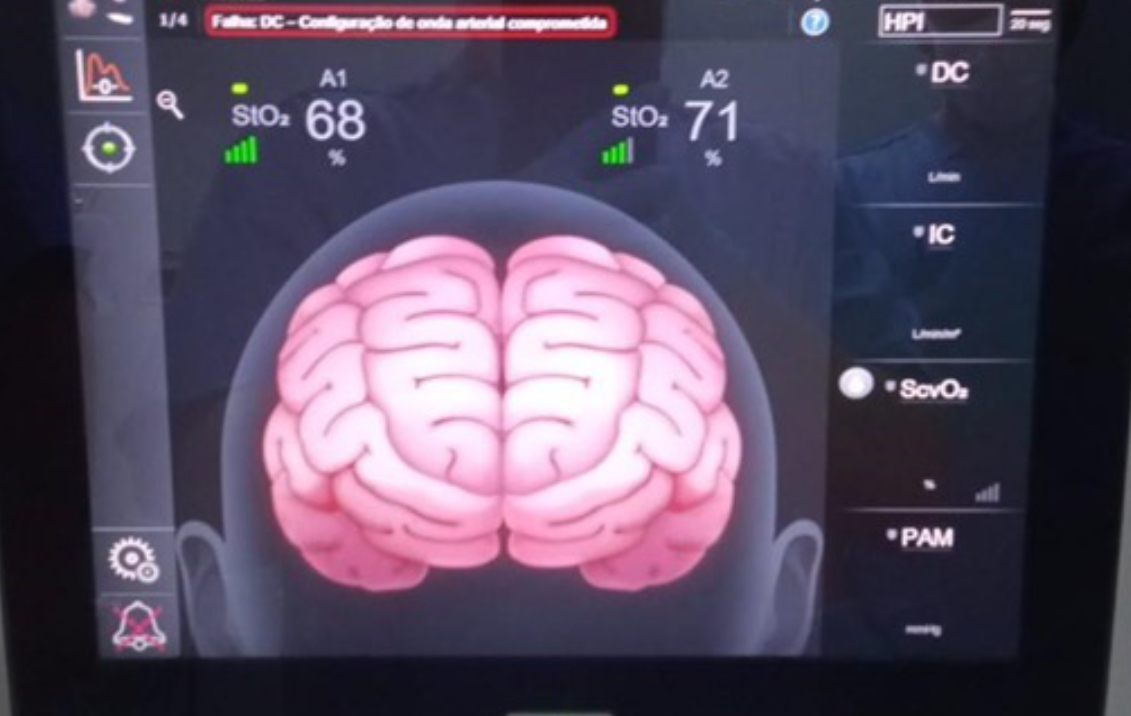
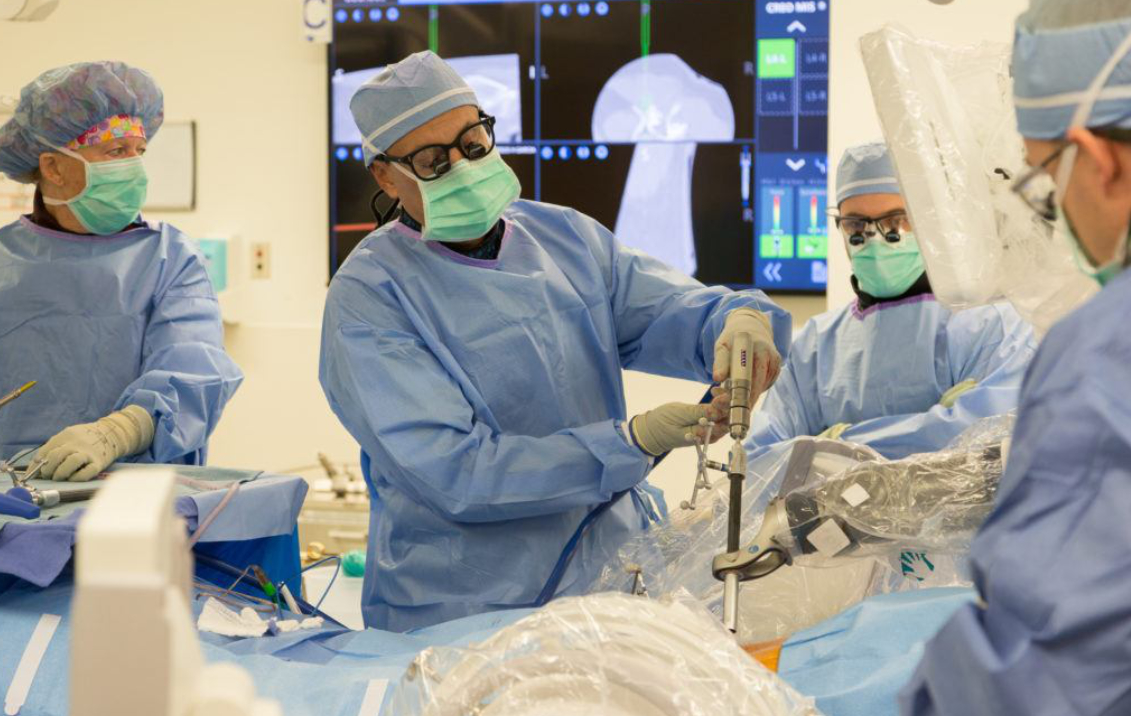
DHCA has its limitations for emergency care.
It requires specialized equipment and highly trained teams in a hospital setting to administer. It takes several hours to prep and safely cool the body (30-45+ mins).
And as the entire body is cooled, there is increased chances of complications and death from inflammation, tissue and organ stress, and bleeding or clotting.
In cardiac arrest, stroke, or other sudden emergencies, current DHCA is too slow and complex of a process to use in time to prevent brain damage.
After many years of research, we have developed an innovative solution designed to selectively cool the brain within five to ten minutes, preventing further irreversible damage and giving doctors a crucial hour or more to save the patient’s life, addressing a critical gap in emergency medicine.
Our device safely and quickly cools the brain within 5-10 minutes, giving doctors one or more hours to save the patient's brain
Our device targets only the brain and cerebral temperature directly, avoiding the complications of whole-body hypothermia.
Compact, portable and operable by a single operator; neuroprotection starts at the scene, in both hospital and pre-hospital settings
Targets only the brain via a real-time ultrasound and AI guided system that inserts a small tube at base of brain without additional surgical access
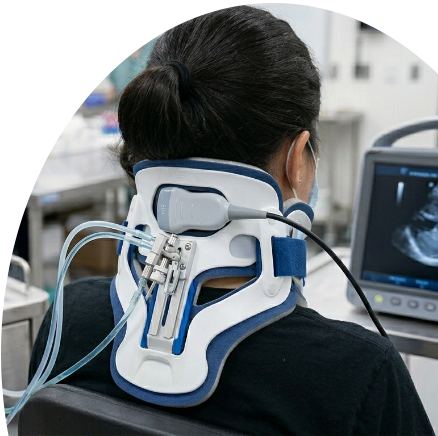
We welcome the opportunity to collaborate with clinicians, hospitals, EMS systems, researchers, and investors worldwide.